
What are essential Oils ?
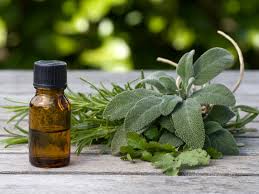

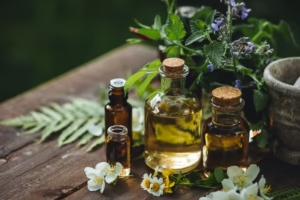 Essential oils are highly concentrated, volatile liquids extracted from plants, capturing their natural scent and flavor (essence) through processes like steam distillation or cold pressing, used for aroma, flavoring, and potential health benefits in aromatherapy, cosmetics, and cleaning. They are potent, complex mixtures of chemicals, requiring careful use as improper application can cause irritation or harm.
Key Characteristics
Concentrated Essence: They are potent extracts, requiring large amounts of plant material (e.g., hundreds of pounds of lavender for one pound of oil).
Volatile: They easily evaporate, releasing their strong fragrance.
Chemical Composition: Each oil has unique volatile organic compounds (VOCs) like terpenes, alcohols, and esters, which determine its scent and effects.
Source: Extracted from flowers, leaves, bark, roots, seeds, or peels.
How They’re Obtained
Steam Distillation: Most common method, using steam to vaporize plant compounds.
Cold Pressing/Expression: Mechanical pressing, common for citrus peels.
Solvent Extraction: Using solvents, though these might not yield “true” essential oils.
Common Uses
Aromatherapy: Inhaling or topical application for mood, relaxation, or sleep.
Cosmetics & Perfumes: Added for fragrance in soaps, lotions, and perfumes.
Household: Used in cleaners and air fresheners.
Food & Drink: As flavorings (with caution).
Important Considerations
Not Nutritionally Essential: The term “essential” refers to the essence/scent, not dietary necessity.
Safety: Highly concentrated and can cause skin irritation, allergic reactions, or toxicity if misused. Always dilute with a carrier oil (like coconut or jojoba) for topical use.